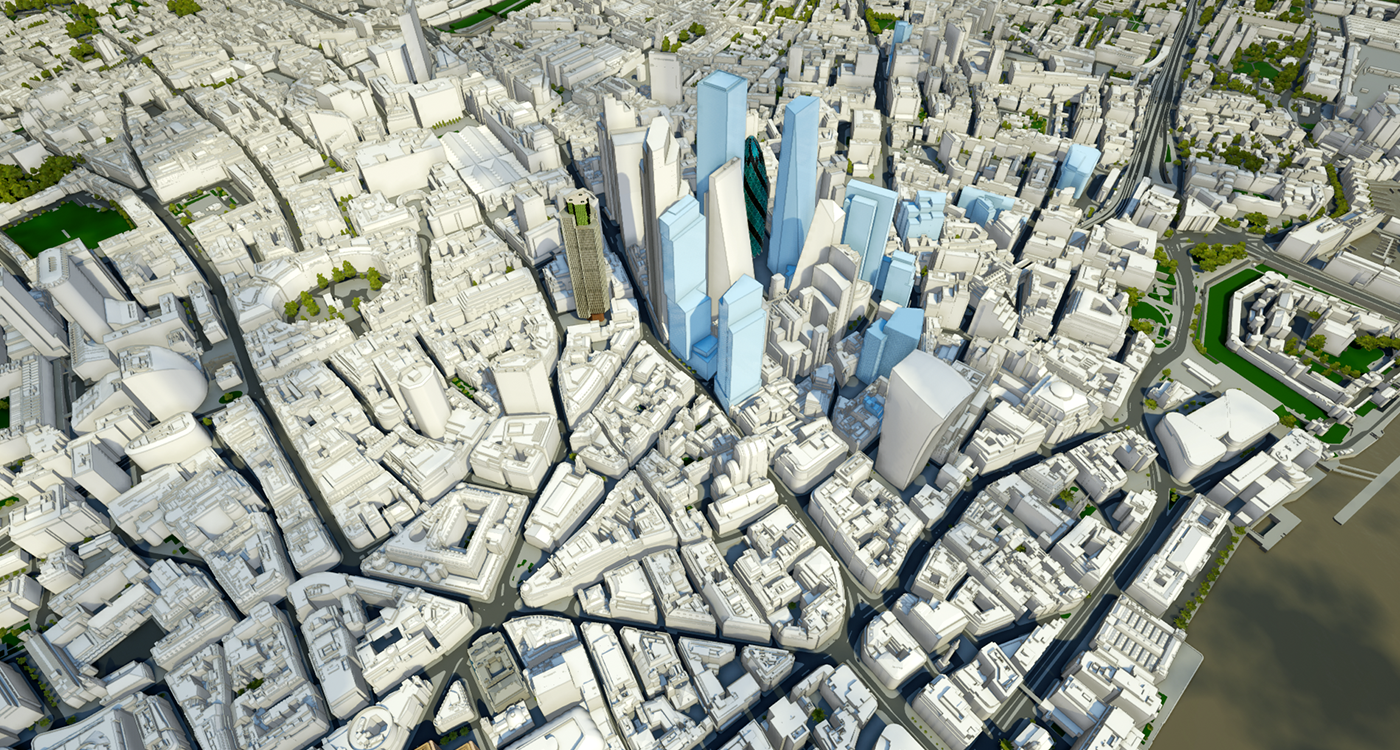
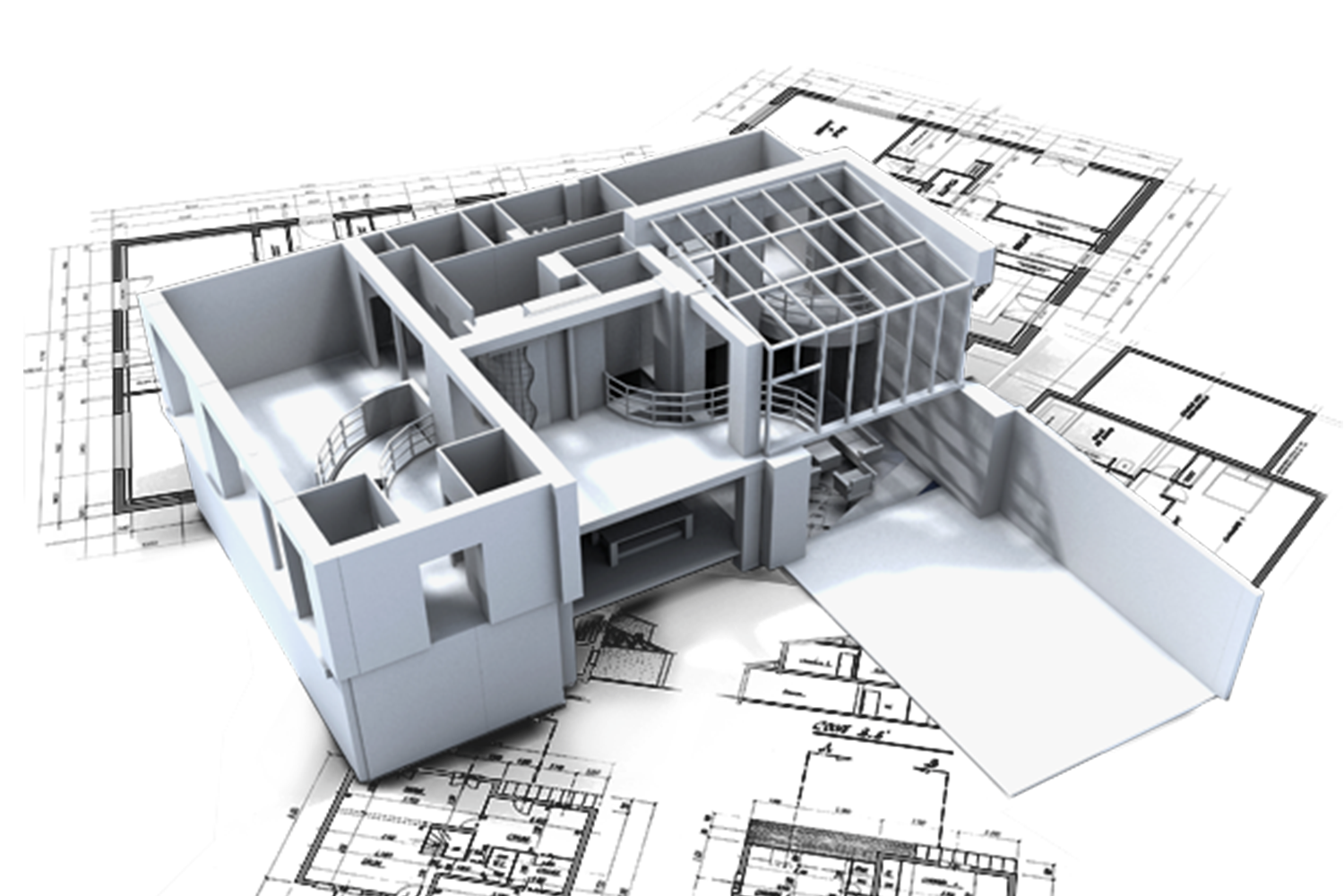
At Nformyx, Site & Urban Context Modeling is delivered as a decision-support–driven digital service that captures the broader physical environment in which a project exists. Buildings do not function in isolation, and design decisions made without understanding surrounding conditions often lead to planning conflicts, approval challenges, and late-stage redesign. Our Site & Urban Context Modeling service provides a reliable digital representation of the site and its surroundings to inform smarter, context-aware decisions.
Nformyx believes that effective context modeling must balance accuracy with relevance. Our team focuses on modeling only what adds value to design, planning, and stakeholder communication—avoiding unnecessary detail while ensuring that critical spatial relationships, adjacencies, and constraints are clearly represented. This results in context models that are lightweight, usable, and purpose-driven.
Our team at Nformyx begins each Site & Urban Context Modeling engagement by identifying the specific objectives of the model. Depending on project needs, this may include design validation, massing studies, regulatory submissions, visibility analysis, or stakeholder presentations. Based on these objectives, we define appropriate modeling extents, levels of detail, and data sources.
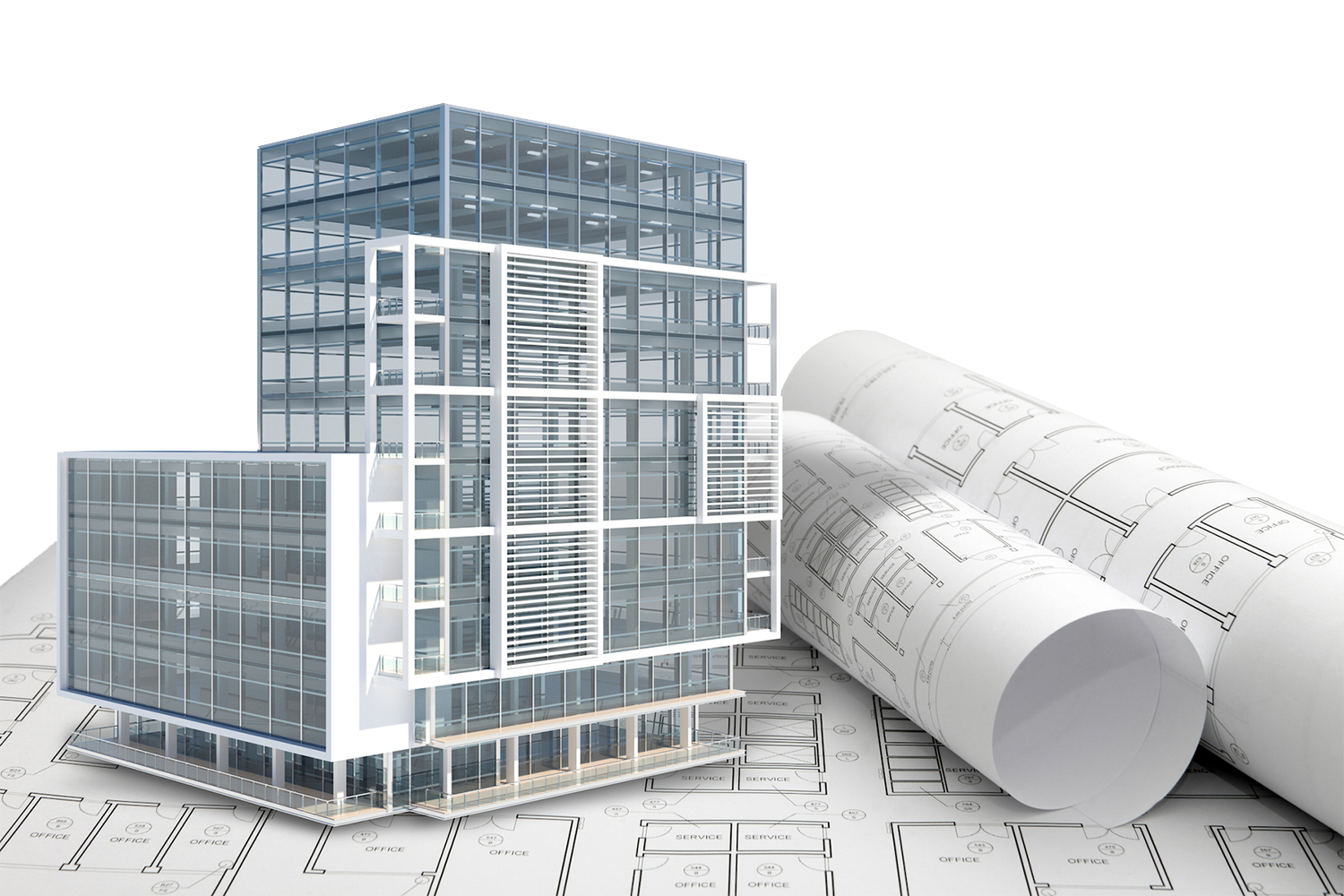
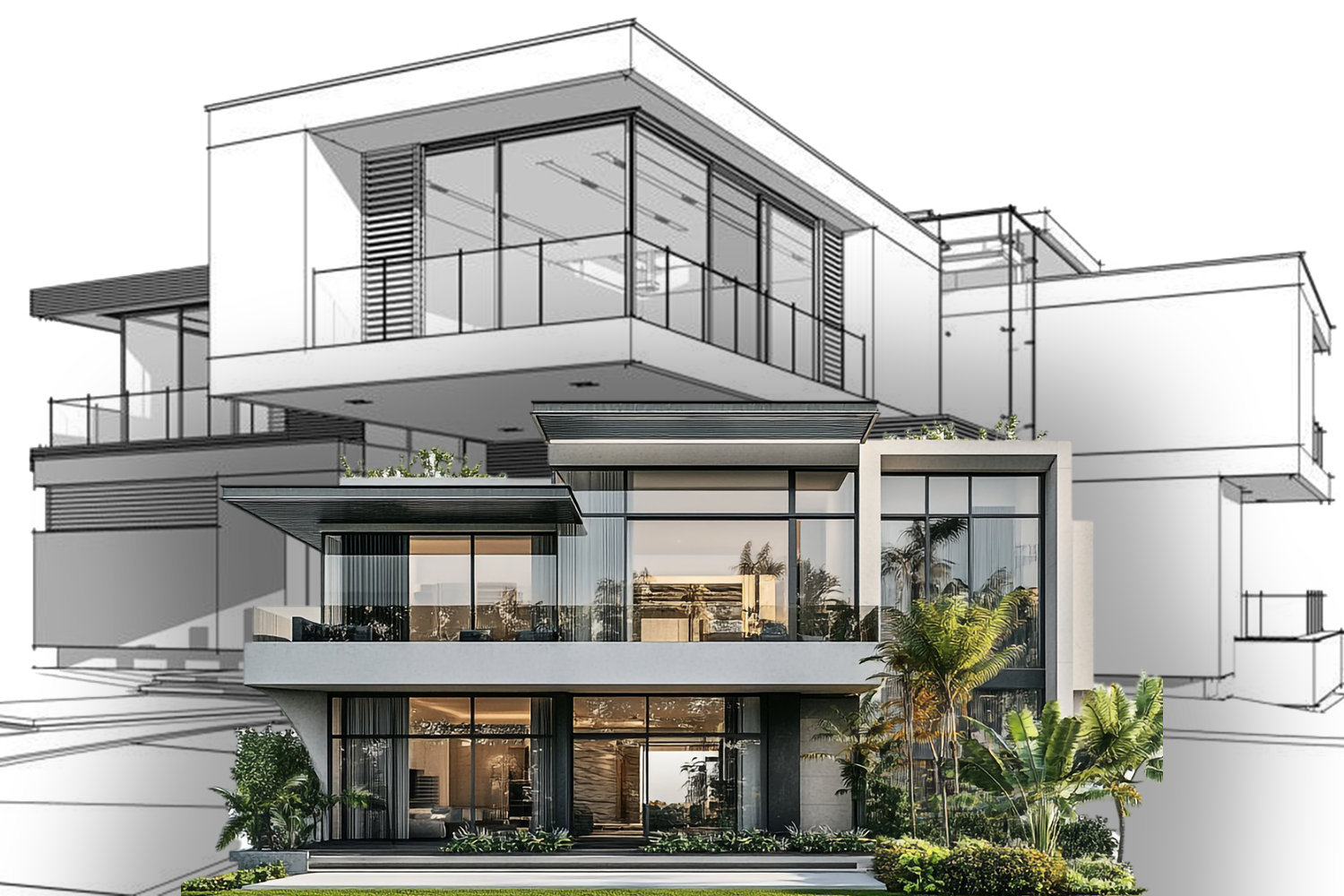
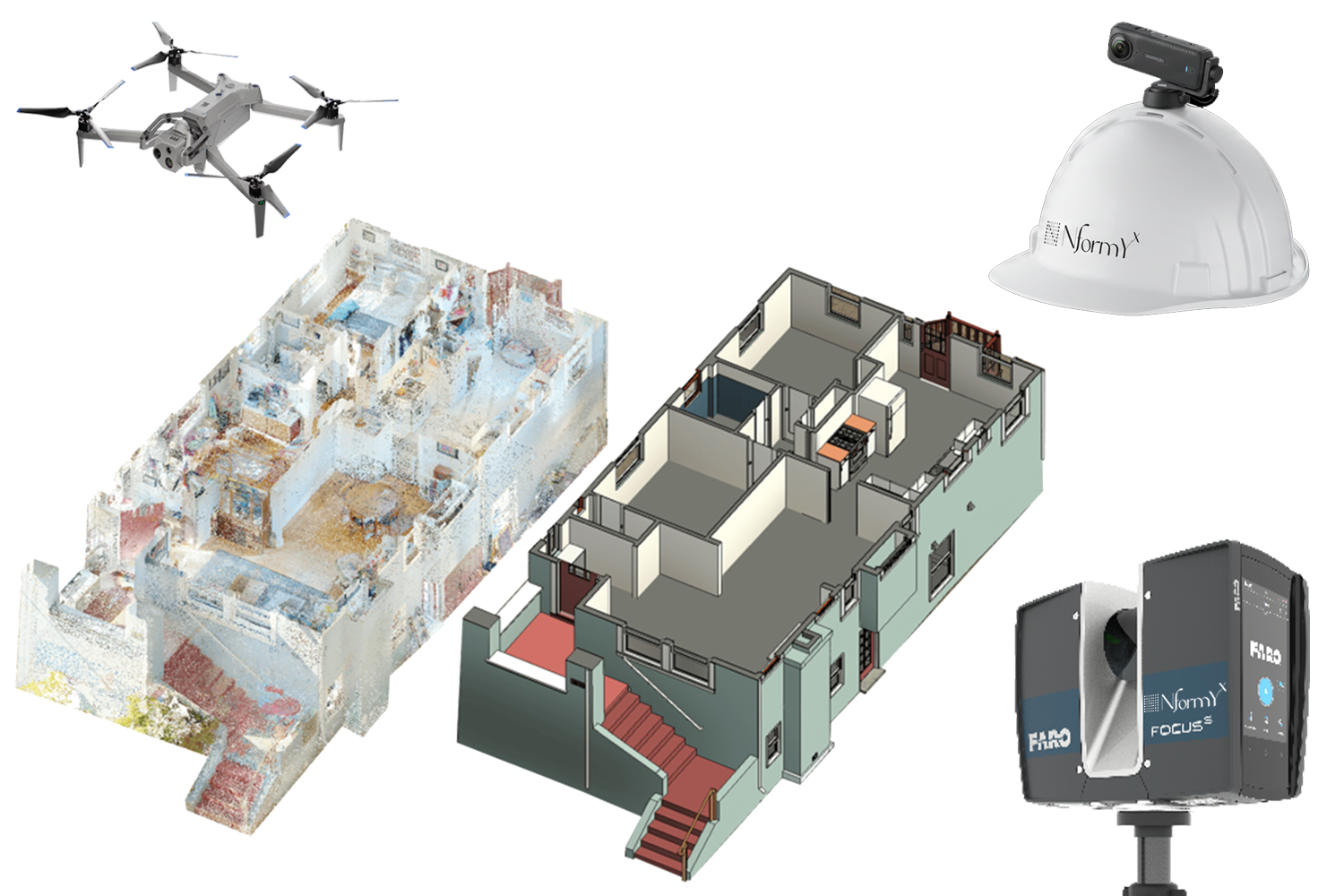
Site and urban context models developed by Nformyx may incorporate data from surveys, GIS datasets, planning drawings, aerial imagery, and reference BIM models. We align all inputs to a consistent coordinate system to ensure spatial accuracy and seamless integration with architectural and BIM models. This approach allows context models to be reliably used alongside detailed building models without misalignment or scaling issues.
A key strength of Site & Urban Context Modeling at Nformyx is our emphasis on contextual clarity. We model surrounding buildings, roads, terrain, utilities, and urban features with enough detail to convey massing, height relationships, access conditions, and constraints—without overwhelming the primary project model. This clarity supports design exploration while maintaining performance and usability.
Nformyx aligns context modeling workflows with established industry practices and planning requirements. When client or authority standards are provided, our team follows them rigorously. When standards are not defined, we deploy Nformyx’s standardized modeling templates to ensure consistency in model organization, naming conventions, and visual representation.
Quality assurance is embedded throughout our context modeling process. Every model undergoes structured internal reviews to verify coordinate accuracy, alignment with source data, scale consistency, and overall model integrity. This ensures that context models can be confidently used for design studies, coordination, and presentations.
From a project performance perspective, Site & Urban Context Modeling delivers measurable value. Accurate context models improve early design decisions, reduce approval risks, and enhance communication with stakeholders and authorities. By understanding the broader environment digitally and early, project teams can minimize redesign, improve planning efficiency, and strengthen overall project outcomes.
Whether supporting architects during early design, developers during feasibility studies, or owners during planning approvals, Nformyx’s Site & Urban Context Modeling service provides reliable, context-aware digital models that support informed decision-making across the project lifecycle.
Site context modeling | Urban context modeling | Site and surroundings BIM | Urban BIM modeling | Context BIM services | Site context 3D modeling | Urban environment modeling | BIM for site analysis | BIM for urban planning | Context modeling for architects | Site modeling services USA | Urban context BIM workflows | Digital site modeling | BIM-based site studies | BIM for feasibility studies | Urban massing models | Site and neighborhood modeling | BIM context models | GIS to BIM integration | Context modeling for design | BIM for planning approvals | Urban context visualization | Nformyx BIM | Nformyx site context modeling | Nformyx urban context modeling | Building context BIM | Professional BIM services | Digital urban modeling | BIM modeling expertise | Context-aware BIM | Site analysis BIM | Urban coordination models | BIM for stakeholder presentations